Cliometric Laboratory
Where History Meets Data
Cliometrics – or quantitative economic history – is the bridge between archival pasts and modern analytical tools. By applying rigorous econometric methods to historical datasets, we can isolate the causal mechanisms that shaped the modern world.
The Great Transition
Real GDP per Capita (1820-2018)
Source: Maddison Project Database 2020 & Clio-Infra
Demographic Transition
Total Fertility Rate (TFR)
Cliometric insight: The 19th-century fertility decline was closely correlated with labor market legislation that restricted child labor and increased the return on human capital investment.
Clio's Toolkit
// The methodological foundations and rich datasets that enable modern cliometric analysis.
Maddison Project
The gold standard for long-term GDP time series, making it possible to compare prosperity across centuries.
IPUMS International
Harmonized census microdata allowing for detailed studies of family and occupational structures over time.
Clio-Infra
A comprehensive archive of global historical indicators for inequality, human capital, and institutions.
GeoPandas & GIS
Integrating spatial data to understand the geographical dimension of historical economic shocks.
Populations Past
Extraordinarily detailed demographic data from British censuses 1851-1911.
My Approach
My research is driven by the conviction that history is our best laboratory. By studying long-run patterns, we can better understand institutional persistence and today's economic development.
Quantitative Rigor: Supporting historical narratives with hard data.
Institutional Persistence: How past choices shape modern frameworks.
Reproducibility: Open access to code and historical datasets.
"The past is a foreign country; they do things differently there."
— L.P. Hartley
The Archivist's Log
The Factory Acts Puzzle
To isolate the effect of 19th-century factory laws, I had to cross-reference textile districts with data on energy sources. The challenge was distinguishing between water-powered industry (early implementation) and steam-powered (later adoption).
The Globalization Panel
Building a unified panel of 32 OECD countries to analyze the impact of globalization. The challenge lay in harmonizing national statistics for social transfers, as definitions of 'welfare state' vary across borders.
GIS & Spatial Analysis
Visualizing historical patterns through modern Geographical Information Systems.
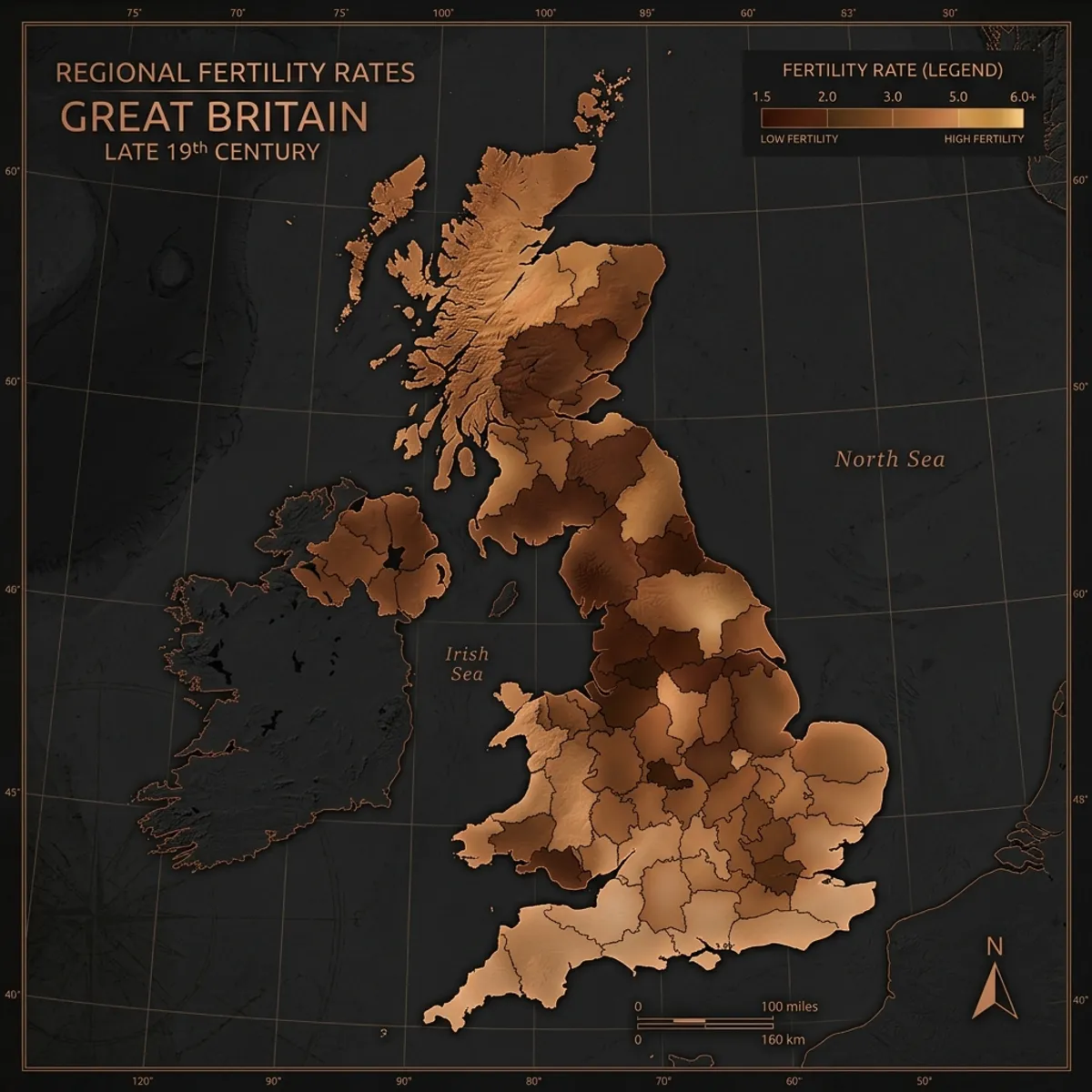
The British Fertility Transition
The map showing the geographical spread of declining fertility rates in the late 19th century, focusing on industrial clusters in Northern England.
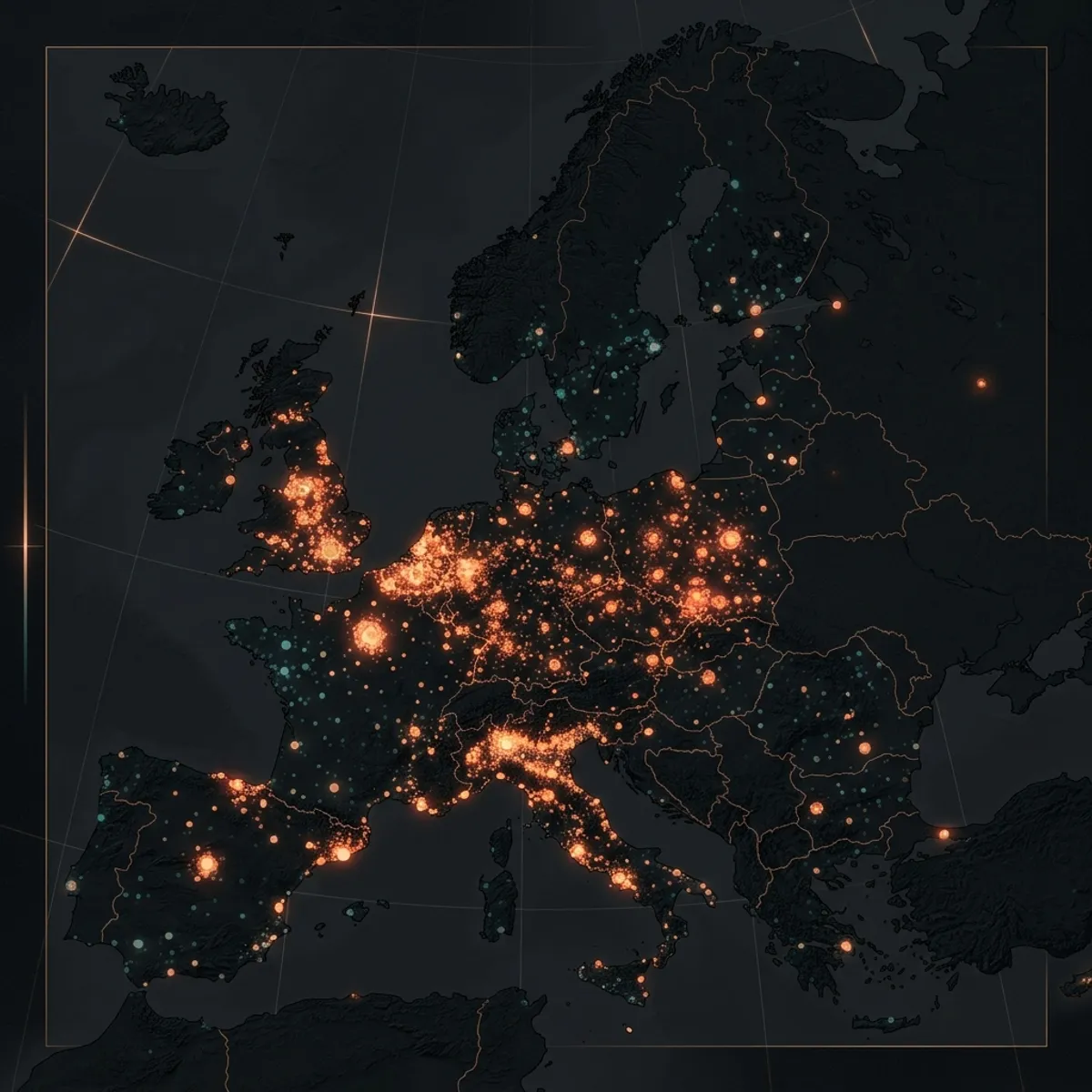
Globalization Impact
A spatial analysis of 'China Shock' exposure at the regional level in Europe, illustrating the inequality in globalization's consequences.
Featured Projects
The Cost of Quality
Analyzing how the 19th-century British Factory Acts accelerated the fertility transition by increasing the implicit cost of child labor.
Structural Transformation
A visualization of three generations' economic journey in the context of Denmark's shift from agriculture to a welfare state.
Replication Dashboard
// Transparency and reproducibility are fundamental to my research process. Access the code and data behind my published papers and working projects.
Identification Strategy
Diff-in-Diffs in the 19th Century
// Research Context
The 1833 Factory Act limited child labor hours, but only in textile mills. This created a natural experiment where we can compare textile districts (Treatment) with other industrial districts (Control).
// Identification Strategy
By using a Difference-in-Differences estimator, I can control for time-invariant regional characteristics and common time shocks, isolating the Act's impact on family fertility choices.
Structural Model Spec:
Y_{it} = \alpha + \beta(Treat_i \times Post_t) + \gamma_i + \delta_t + \epsilon_{it} The Reading Room
A curated bibliography of the works that have most influenced my approach to cliometric history.
The Race between Education and Technology
Crucial for understanding how human capital formation drives long-run growth.
Institutions, Institutional Change and Economic Performance
The theoretical foundation for why institutions matter more than geography.
Capital in the Twenty-First Century
A masterclass in using historical tax records to visualize long-run inequality.
Structural Transformation
Three generations of Ebsen family history in the context of Danish economic development.
Great-Grandmother
Field Laborer (Polish migrant)
The Great Transition
The shift from cereal production to capital-intensive animal exports and sugar beets. This period was defined by the cooperative-led professionalization of agriculture, where Polish seasonal labor ('roepolakkerne') served as a critical production factor in rural industrialization.
Archive ContextFather
Factory Worker (Iron & Metal)
Industrial Maturity & Globalization
Consolidation of the Danish manufacturing sector under pressure from global competition. This era included significant structural reforms in the 1980s (e.g., the 'Potato Diet') and a movement towards highly specialized niche production.
Archive ContextMother
Childcare Provider
The Rise of the Care Economy
Expansion of the public welfare sector in response to increased labor market participation. The professionalization of early-stage care is a prerequisite for the productivity and human capital formation of the modern service economy.
Anton
Economist (PhD Candidate)
The Knowledge & Green Transition
The shift towards knowledge and data as primary drivers of growth. Integration of advanced econometric modeling and historical analysis (Cliometrics) to navigate complex globalized financial systems.